

Caught by GAS (again): I just bought an analog Canon EOS 3 in 2026 and have zero regrets
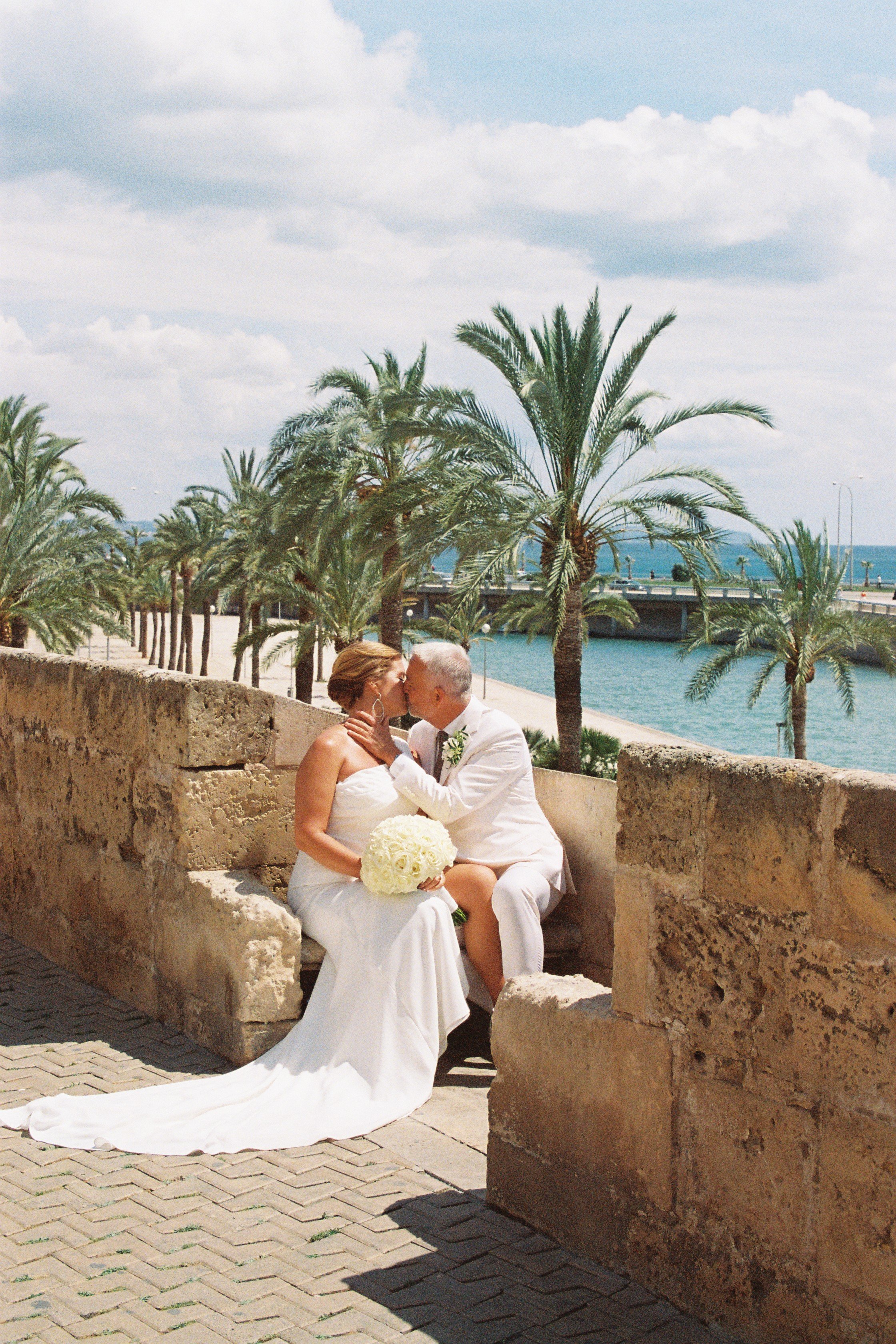
If you've spent any time in photography communities, specifically wedding photography forums, you've probably heard the term GAS thrown around. Gear Acquisition Syndrome. That irresistible, irrational, but probably deeply human urge to convince yourself that this lens, this body, this camera is the one that will finally unlock your full creative potential.
Photographers know it well. Most of us have surrendered to it more than once.
I surrendered again last week.
I’ve tried to tell myself that I have everything I need. 2 full frame bodies, one backup APSC body, a gimbal, a drone, 3 tripods, ND filters, microphones to start a full on radio station if I want to (ok I exaggerate, but you get the idea. I have a lot of stuff.)
What is GAS, exactly?
Gear Acquisition Syndrome is the compulsive desire to buy new photography equipment. Or any equipment really. I’ve heard it’s a thing in many hobbies and professions. Living with a cyclist I’ve seen it with my own eyes, it’s not just us photographers…
With GAS, you often want to run out and buy something before you've fully explored what you already own. (However, I don’t think this is true for me but hey, that’s probably what we all tell ourselves…)
It's fuelled by late-night forum browsing, YouTube rabbit holes, and the conviction that your images would be just a little better with a new piece of kit.
The tricky thing about GAS is that it's not entirely irrational. Sometimes, the right tool genuinely does open new creative doors. I’ve experienced this myself. And I am really where I want to be with my photography… at least with my digital images. But sometimes, and only sometimes I feel like something is missing. I long for that feeling of rawness and timelessness that I think you get from film.
But is it a meaningful upgrade or just a shiny distraction? Because I don’t REALLY need to shoot film to please my wedding couples. Most people don’t even see the difference.
However, I’ve landed in that - if a new piece of equipment make things more FUN for me, it’s 100% worth it. If it challenges me to develop my style and skills, it’s even better.
But still, even with having already convinced myself that it’s a good idea, I tried to de-influence myself, trying to force myself to think business. Keeping costs down, to actually be able to save some money…
I had almost succeeded. And then I found the Canon EOS 3 in great condition on Kamerastore. Yep, other people doom scroll news, I doom scroll kamera sites…
Enter the Canon EOS 3
The Canon EOS 3 was released in 1998 and sits at the very top of Canon's late-era professional film SLR lineup, second only to the legendary EOS-1V, they say. I wouldn’t know. Even though my photography journey started in a real dark room in highschool, we only had older Pentax models, and very little options for lenses and other equipment.
Anyway. It's a camera that was built for working photographers: people who needed to get the shot, every time, under any conditions.
Even by today's standards, the specs are remarkable, for a film camera:
45-point Eye-Controlled AF — yes, the camera tracks where your eye is looking on the viewfinder and focuses accordingly. It sounds crazy but I’m looking forward to try it!
Weather sealing that can handle a full wedding day in unpredictable conditions.
7fps continuous shooting — more than enough to capture a bride and groom dancing out from the ceremony.
Full compatibility with Canon EF lenses, meaning every L-series lens I already own works beautifully. Unfortunately, I only own Sony lenses, so I had to get two lenses as well.
I truly think that I’ll be using this camera a lot. On jobs, and private as well.
Why film for weddings?
I know what you might be thinking: film at a wedding? In 2026? Isn't that risky?
First off, I don’t mainly shoot film on weddings, but it’s something that’s becoming more and more common and popular. And wedding couples have start asking for it! Who would have thought.
Anyway. I think all wedding photography is risking. Digital cameras can fail too. Memory cards can fail or get lost on the way home. Hard drives can crash. There is not 100% guarantee for anything. But there’s ways of minimizing risk.
In my normal workflow, I shoot with two camera bodies with dual memory cards. Immediately I have a backup card, if one of them fails. And if one camera gives up, I can manage with one.
As soon as I get back home, I backup to external hard drives AND a cloud service. I always with with formatting my SD-cards until I’ve delivered everything to my clients.
With my film workflow, I store the used rolls securely, and keep them on me until I get home. I store them safely until my local film lab opens. As soon as it does, I jump on my Vespa and hand them over personally to the very pro team at the lab in Palma.
It’s not a random lab. These are highly skilled professionals with the best equipment. And it’s a 10min ride to get there and I personally make sure they get it.
A week or so later, I get the scans back, sent to my inbox. I then go and collect the developed film at the lab.
Intentionality
There's something about the intentionality of film that changes how I work.
When you know you have 36 frames on a roll, not a few thousands on a memory card, you have to think before you actually push the button. (And it’s not just because there’s only 36 frames. It’s also expensive as hell 😅)
You compose more carefully right away instead of figuring it out as you go. I love that.
You read the light. Check the environment for wet towels on the floor. You wait for the moment rather than ra-pa-pa-pa-pa-pa through it. You wouldn’t believe how many photos I take during a day that never see the light. And how many times I’m lazy with clutter bc I think to myself I’ll fix it in post, and then future me hates the past me 😅
And the results speak for themselves. Film has a particular quality, a depth in the shadows, more forgiving highlights, meaning it doesn’t look overexposed easily, and a grain that feels organic rather than digital. That look wedding couples have started to fall in love with.
When couples see their wedding images rendered on Kodak Portra 400 or Ilford Hp5, there's often an emotional reaction that's hard to replicate in post-processing of digital images.
And so, my new love, The Canon EOS 3, bridges the gap beautifully. It gives me the reliability I need to document a wedding without missing critical moments, while delivering the aesthetic that only film can provide. (If you’re going to mention Lightroom presets here I don’t wan’t to hear it, it’s NOT the same… 😜 Just as an iPhone pic isn’t the same as what I get from my Sony A7iv’s.)
For now though, I’m not shooting mainly of film. It’s something I do as an add-on or if there’s time. Usually a wedding in Mallorca is quite condensed, especially in the summer, when the ceremony needs to be held at 5.30 or 6.00pm because of the heat.
But one day I might make the switch. Go back to my roots. I’ll skip the dark room. But the rest, I’m excited for!
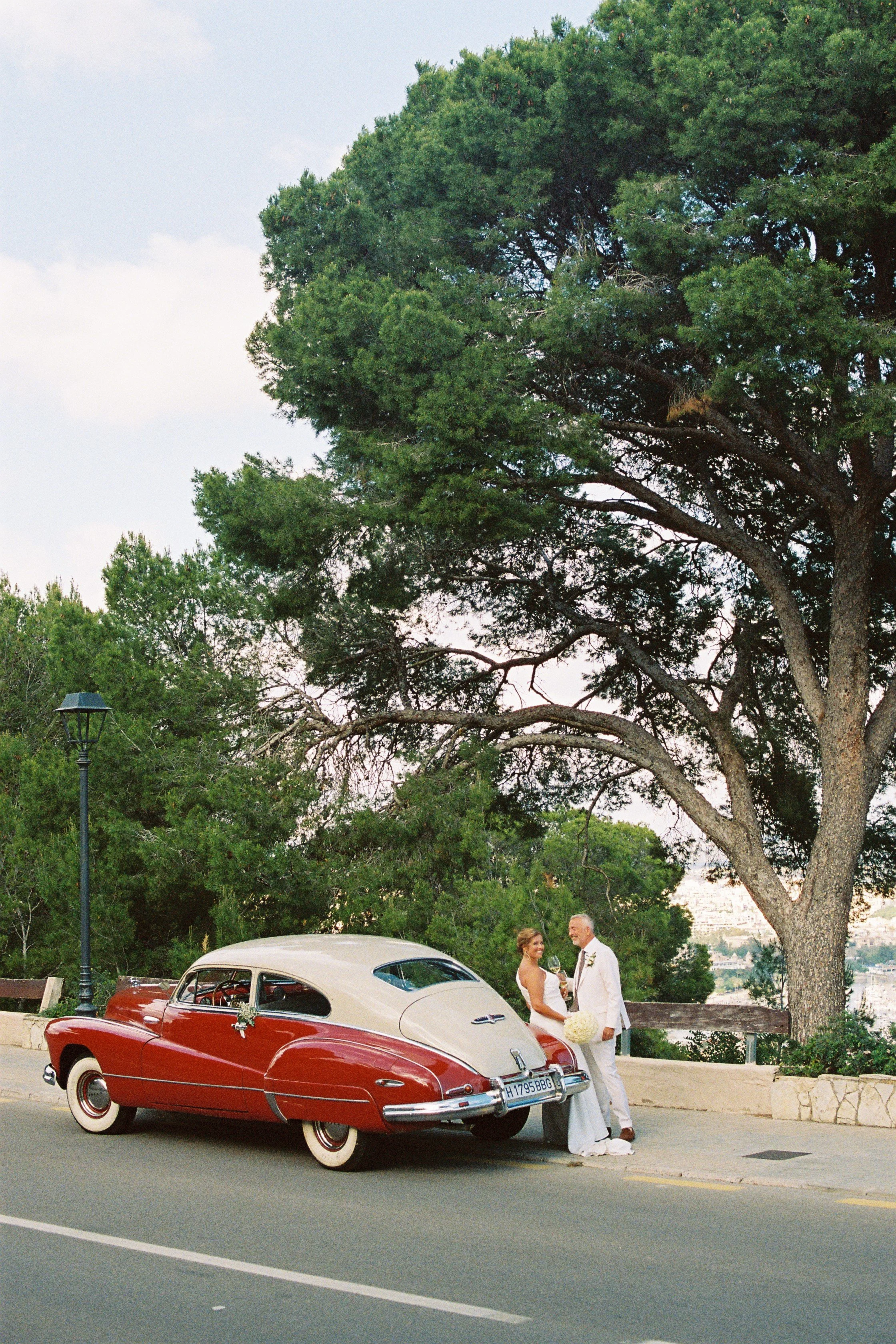
Analog wedding photography with my Canon A1 that broke last year. Have tried to get it fixed but no luck.
The verdict on GAS
Was this a case of Gear Acquisition Syndrome? Absolutely. Do I feel bad about it? Not even slightly.
Will this new camera make me a better photographer? Not necessarily. But will it make my upcoming weddings a couple of percentages more fun and exciting for me? Hell yes.
Now if you'll excuse me, I need to go order another 20 rolls of Portra.
Are you a film photographer? Have you shot weddings on film? I'd love to hear your experiences in the comments below.